There is a particular elegance to the tincture that other cannabis formats simply cannot replicate a small glass bottle, an amber dropper, a ritual so understated it barely announces itself. No smoke curling toward the ceiling, no vapor cloud, no chewing through a gummy’s texture before the payload even reaches your bloodstream. Just a few drops held beneath the tongue for a count of sixty, and then the quiet work of absorption begins. For a category of consumer that has grown increasingly interested in precision over spectacle, the THC tincture occupies a strange and underappreciated position: it is simultaneously the oldest cannabis delivery format in the modern commercial market and, for many newer consumers, the least understood.
Part of the confusion stems from the fact that tinctures get lumped in conversationally with edibles, when the two are governed by entirely different pharmacokinetics. An edible a gummy, a chocolate, an infused beverage is swallowed and processed primarily through the digestive tract and liver. A tincture, when used correctly, bypasses that route almost entirely. Understanding this distinction isn’t a minor technicality. It is the entire reason tinctures exist as a category, and it explains why the format has quietly become one of the more sophisticated tools available to consumers who want control over both onset and intensity.
To Buy Cannabinoid Tinctures Click Here
Recommended products
-
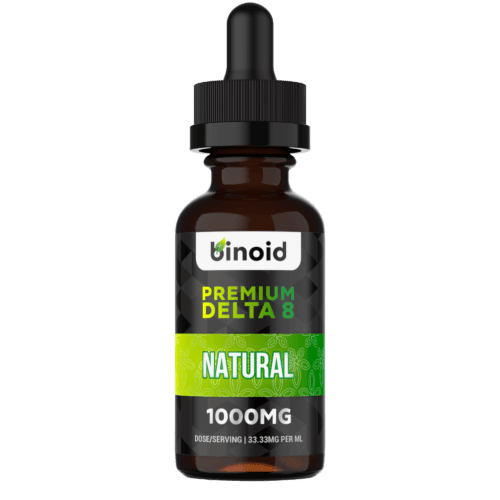
Delta 8 THC Tincture (1000mg, 2500mg, 5000mg)
$25.99$44.99 -
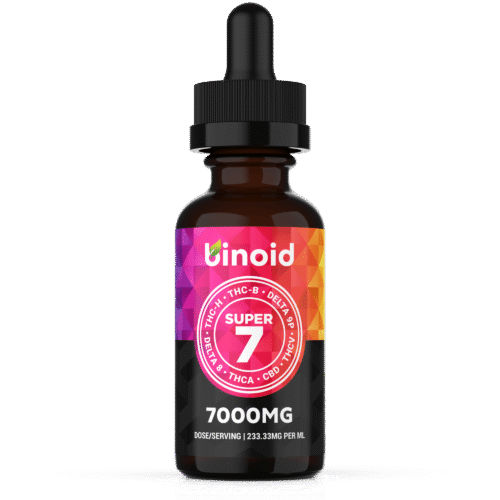
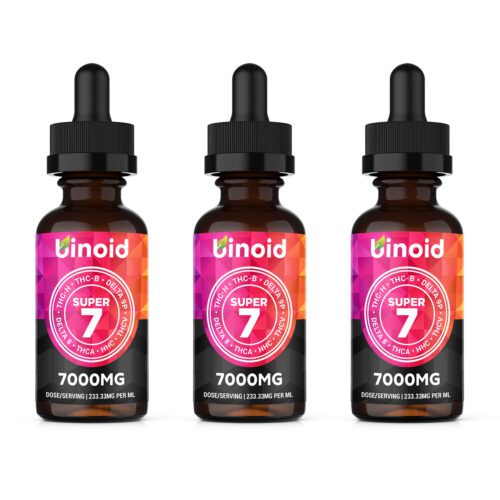
Super 7 Tincture – 7000mg
$39.99$59.99 -
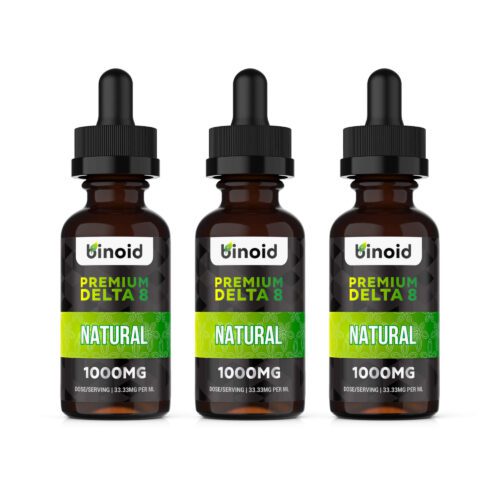
Binoid Delta 8 THC Tinctures – Bundle
$64.99$104.97 -
Super 7 Tincture Bundle – 7000mg
$109.99$159.99
The Sublingual Shortcut: How Tinctures Actually Work
Beneath the tongue lies a dense network of capillaries collectively known as the sublingual mucosa, and it is this tissue rather than the stomach that a properly used THC tincture is designed to exploit. When drops are held in place rather than swallowed immediately, cannabinoids diffuse directly through the mucous membrane and into the bloodstream, skipping the digestive system and, critically, skipping the liver’s first-pass metabolism on the initial absorption.
This matters enormously, because first-pass metabolism is the process by which orally ingested THC is converted by liver enzymes into 11-hydroxy-THC, a metabolite that is both more potent and slower to onset than the original compound. Sublingual absorption sidesteps a significant portion of that conversion, which is why tincture users often describe a faster, cleaner onset than they experience with gummies typically somewhere between fifteen and forty-five minutes, compared to the ninety-minute-plus wait that can accompany a poorly timed edible.
The catch, and it is a meaningful one, is that sublingual absorption only works if the tincture is actually held under the tongue long enough to diffuse. Swallow it immediately, and you’ve simply converted your sublingual tincture into an oral dose, routing the bulk of the cannabinoid load through the same digestive and hepatic pathway as an edible, with the same delayed onset and altered metabolite profile. This is the single most common user error in the tincture category, and it explains a huge percentage of the “tinctures don’t work for me” complaints that circulate in online cannabis communities. The formulation was never the problem. The technique was.
Formulation quality, however, is not irrelevant far from it. A tincture’s carrier oil, typically MCT oil derived from coconut, plays a functional role beyond simple palatability. THC is lipophilic, meaning it binds readily to fat molecules, and a well-formulated MCT carrier helps keep the cannabinoid payload evenly suspended and bioavailable rather than settling unevenly at the bottom of the bottle. This is one of the areas where Binoidcbd.com has invested real formulation attention their tincture line uses carrier oil ratios and cannabinoid suspension techniques specifically calibrated for consistent sublingual absorption, batch after batch, rather than treating the oil as an inert vehicle that happens to hold the active ingredient.
Recommended products
-
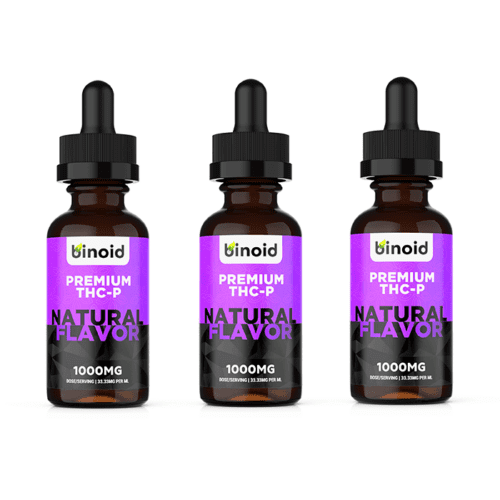
THC-P Tinctures – Bundle
$83.99$139.99 -
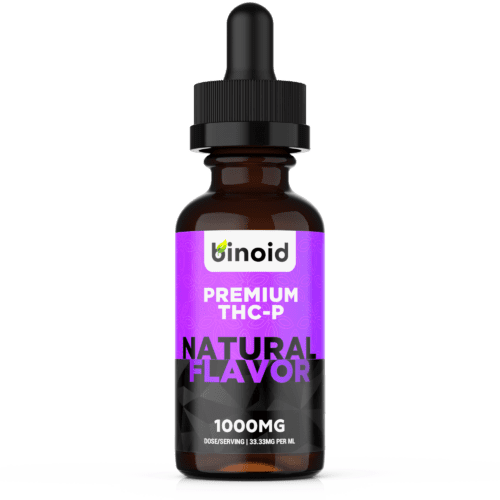
THC-P Tincture – 1000mg
$30.99$79.99 -
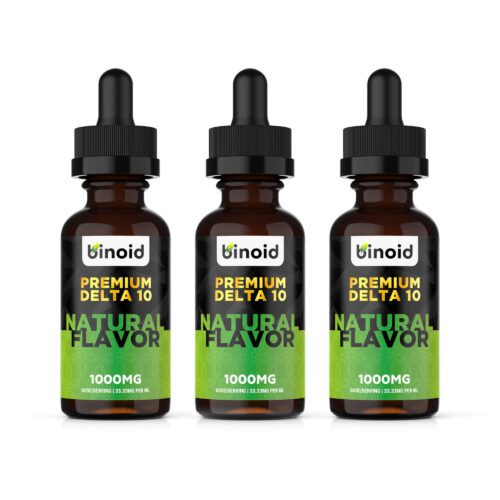
Delta 10 THC Tinctures – Bundle
$69.99$159.99
Dosing With Precision: Why Tinctures Reward the Patient Consumer
If gummies are the format of convenience and vapes are the format of immediacy, tinctures are unambiguously the format of precision. A standard tincture dropper is calibrated in milliliters, and a quality product will clearly state the cannabinoid milligram content per full dropper as well as per individual drop, which allows for a degree of dosing granularity that is simply unavailable in a pre-portioned gummy or a vape cartridge with variable draw lengths. A consumer who wants to titrate upward slowly starting at a quarter dropper, waiting the full onset window, and adjusting incrementally has far more control with a tincture than with almost any other format on the market.
This granularity is particularly valuable for consumers navigating tolerance in either direction. Someone newer to hemp-derived THC products can start at a genuinely minimal dose, something that would be difficult to achieve consistently with a 10mg gummy that can’t be subdivided with any real accuracy. On the other end of the spectrum, an experienced consumer with an established tolerance can scale a dropper up methodically, tracking their own response with a precision that supports genuinely informed decision-making about their own consumption patterns. The format rewards patience and punishes impatience in roughly equal measure sixty seconds of holding liquid under your tongue feels, to a distracted or impatient consumer, like an unreasonable ask, but it is the entire mechanism by which the format delivers its advantages.
Flavor and mouthfeel matter more in this category than casual observers might assume, largely because the sixty-second hold time means the consumer is, in effect, tasting the product far more deliberately than someone swallowing a gummy in two bites. A tincture with a harsh, overtly “hempy” flavor profile becomes a genuine deterrent to consistent use, which undermines the entire value proposition of a format built around routine and precision. This is an area where formulation sophistication becomes immediately apparent to the palate Binoid’s tincture offerings are built with flavor systems designed specifically to make the hold time pleasant rather than something to be endured, an unglamorous but genuinely important piece of product engineering.
The Best Use Cases: When a Tincture Beats Every Other Format
Certain consumption contexts favor the tincture format so decisively that it’s worth naming them explicitly. The consumer who wants to layer a THC experience gradually across an evening starting with a small dose and topping up with measured increments as the night progresses is far better served by a tincture than by a vape (which delivers larger, less precisely quantifiable increments per pull) or a gummy (which cannot be split into smaller doses without guesswork). Similarly, the consumer managing any kind of dietary restriction, whether that’s sugar sensitivity, an aversion to the corn syrup and gelatin base of most gummies, or simply a preference for products without added sweeteners, finds in tinctures a clean, minimal-ingredient alternative that delivers the cannabinoid payload without the confectionery baggage.
Tincture also shine in situations where discretion and speed intersect in ways vapes and edibles don’t accommodate well. A dropper under the tongue takes seconds and produces no smoke, no vapor cloud, and no chewing a genuinely private act of consumption that can happen almost anywhere. And because the onset window, once you’ve mastered proper technique, tends to be faster and more predictable than an edible’s, tinctures suit consumers who want a defined and bounded experience rather than the multi-hour arc a gummy can produce, particularly relevant for anyone calibrating their evening around a specific window of time.
There’s also a compounding-and-mixing use case that tinctures serve better than any other format: the practice of adding drops to a beverage, a meal, or even another cannabis product to create a customized combination dose. Because tinctures are liquid and precisely measured, they integrate into a homemade recipe or drink far more cleanly than trying to crumble a gummy or empty a vape cartridge. This versatility has made tinctures a quiet favorite among consumers who like to experiment with their own formulation combinations layering a Delta 9 tincture into a favorite mocktail, for instance, or combining a CBN-forward tincture with an evening tea ritual aimed at winding down.
Full-Spectrum vs. Isolate: What’s Actually in the Bottle
Not all tinctures are created with the same cannabinoid architecture, and understanding the difference matters more than most product pages let on. An isolate-based tincture contains a single, purified cannabinoid pure Delta 9 THC, for instance, with no accompanying terpenes or minor cannabinoids. This produces a clean, predictable, singular effect profile that some consumers specifically prefer because it removes variables and makes dosing feel more mathematically precise. A full-spectrum or broad-spectrum tincture, by contrast, retains a fuller cannabinoid and terpene profile from the original extraction, which proponents argue produces a more nuanced, layered experience through the entourage effect the theory that cannabinoids and terpenes modulate one another’s effects when consumed together rather than in isolation.
Neither approach is objectively superior; they represent different philosophies of formulation aimed at different consumer preferences. What matters far more than which camp a tincture falls into is whether the brand behind it can actually substantiate its claims with batch-specific laboratory documentation. A certificate of analysis from an ISO 17025-accredited lab should confirm not just total cannabinoid content but the specific breakdown the label claims, along with screening for residual solvents and heavy metals given that tinctures, as an oil-based format, can concentrate certain contaminants if the extraction process wasn’t rigorous. Binoid publishes exactly this kind of batch-specific documentation across its tincture catalog, giving consumers the ability to verify what they’re actually holding under their tongue rather than taking a label’s word for it.
The Decision Framework: Choosing Your Tincture
Selecting the right tincture ultimately comes down to matching the format’s core strengths precision, discretion, and a clean sublingual onset against your own consumption goals. If dosing control is your primary concern, prioritize a tincture with clear per-drop milligram labeling and a dropper design that makes consistent measurement genuinely achievable rather than an approximate guess. If flavor and mouthfeel matter to your ability to use the product consistently, don’t underestimate how much a well-engineered carrier oil and flavor system will affect your actual adherence to the sixty-second hold technique that makes the format work in the first place. And if verified transparency matters to you as it should look for a brand willing to publish current, batch-specific COAs rather than generic, outdated, or absent testing documentation.
The tincture rewards the consumer willing to slow down, hold the dose, and wait for the sublingual pathway to do its work rather than reaching immediately for a faster, less precise alternative. For a growing segment of the hemp-derived THC market that values control as much as intensity, that patience has become the entire point and finding a formulation, like the ones detailed across Binoidcbd.com’s tincture lineup, that respects both the science and the ritual is what separates a genuinely well-made tincture from a bottle of flavored oil making bigger promises than its chemistry can keep.
To Buy Cannabinoid Tinctures Click Here
Recommended products
-
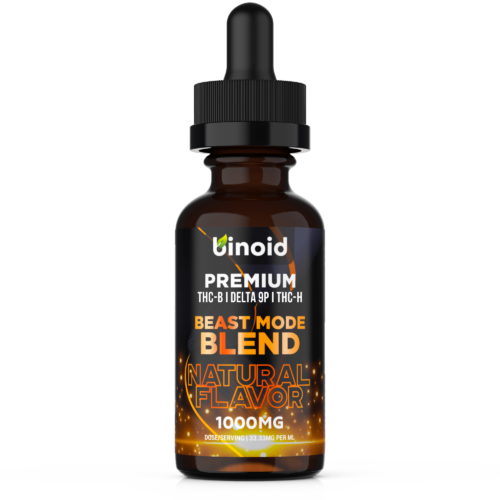
Beast Mode Blend Tincture – 1000mg
$34.99$59.99 -
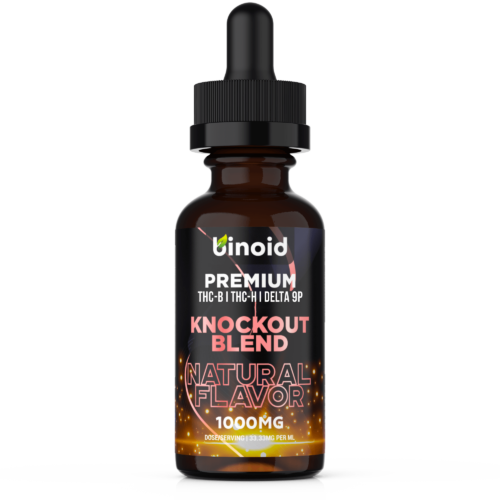
Knockout Blend Tincture – 1000mg
$34.99$59.99 -
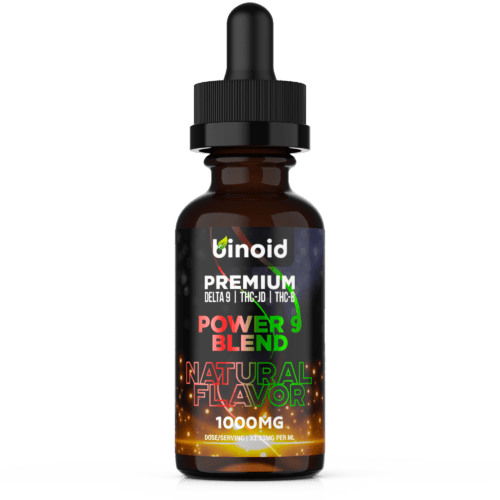
Power 9 Blend Tincture – 1000mg
$34.99$59.99 -
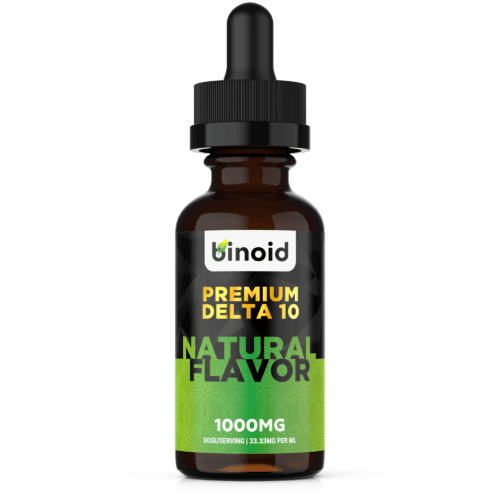
Delta 10 THC Tincture (1000mg, 2500mg, 5000mg)
$27.99$79.99