
For most of the modern hemp industry’s short life, the conversation around quality centered almost entirely on one number: cannabinoid percentage. Higher THCA, higher CBD, higher whatever-the-label-promised potency was the metric, and potency was the pitch. That conversation has shifted, quietly but decisively, over the last several years, and the reason is a category of aromatic compounds that most consumers had never heard of a decade ago and can now recite by name off a vape cartridge label.
Terpenes have gone from an afterthought to a headline feature, and understanding why brands have suddenly become so vocal about them is one of the more useful things a hemp consumer can learn because it changes how you actually evaluate a product before you buy it.
TO BUY THC PRODUCTS CLICK HERE
Recommended products
-
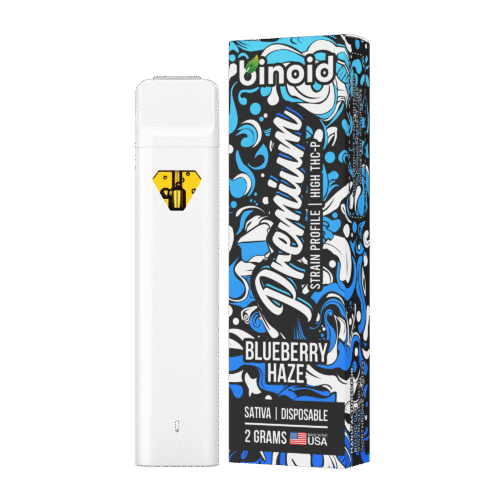
High THC-P 2 Gram Disposable Vape – Strain Series
$41.99$73.99 -
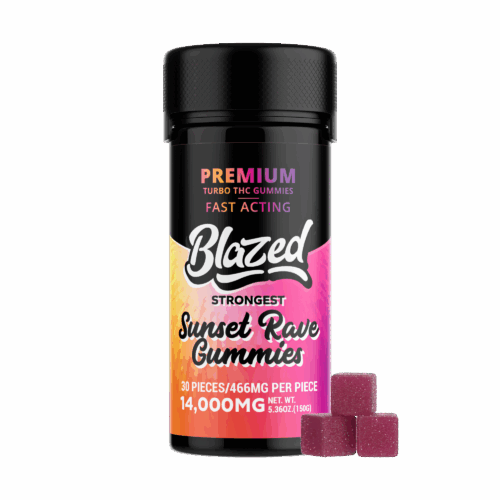
14,000MG Turbo THC Gummies – Blazed
$49.99$84.99 -
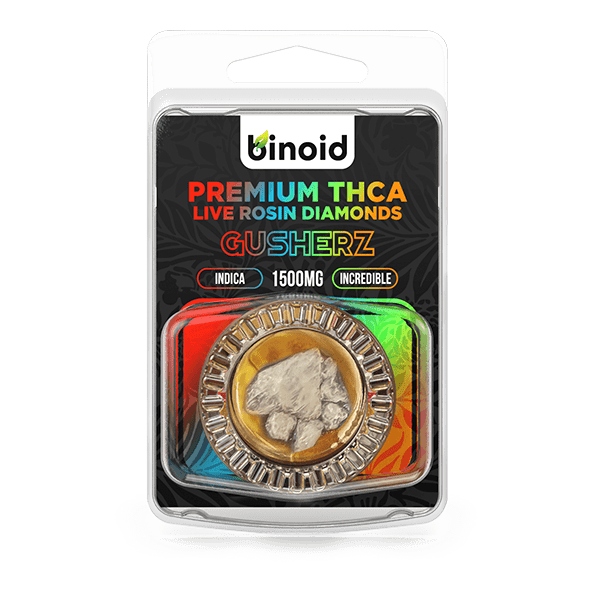
THCA Diamonds 1500mg – Live Rosin
$30.99$59.99 -
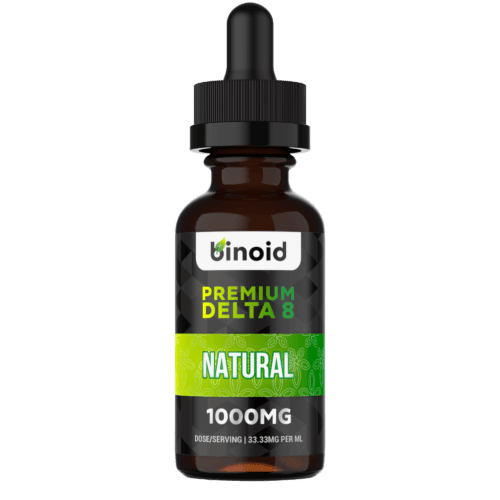
Delta 8 THC Tincture (1000mg, 2500mg, 5000mg)
$25.99$44.99
The Molecule Nobody Used to Mention
Terpenes are aromatic organic compounds produced in the same trichomes that manufacture cannabinoids, and they exist throughout the plant kingdom far beyond cannabis they’re the reason pine smells like pine, why lavender smells like lavender, why citrus rind smells the way it does when you tear into it. In cannabis and hemp specifically, terpenes are responsible for the plant’s enormous aromatic diversity, and that diversity is not incidental. It is, increasingly, understood to be central to what actually distinguishes one hemp product’s experience from another, even when the underlying cannabinoid content looks nearly identical on paper. Two products with the same milligram count of a given cannabinoid can produce meaningfully different subjective experiences depending on which terpenes accompany that cannabinoid into the body, a phenomenon the industry has taken to calling the entourage effect.
The mechanism behind this isn’t mysterious, even if the full science is still being actively researched. Terpenes are volatile compounds, meaning they evaporate readily at relatively low temperatures, which is part of why fresh, well-cured hemp flower smells so much more vivid than flower that’s been sitting in a warehouse for months. That same volatility means terpene content is one of the most fragile aspects of the entire cultivation-to-consumer pipeline it degrades under heat, light, and time faster than cannabinoids do, which is precisely why terpene preservation has become such a visible differentiator among brands that actually understand what they’re working with versus brands treating hemp as an interchangeable commodity input.
Why the Sudden Marketing Shift
The honest answer for why terpenes moved from footnote to headline is a combination of consumer education catching up to plant science and brands recognizing a genuine differentiation opportunity in an increasingly crowded market. When every competitor’s gummy or vape claims comparable cannabinoid potency, potency alone stops being a useful sorting mechanism for a discerning shopper. Terpene profile, by contrast, is much harder to fake convincingly and much easier to verify through a detailed Certificate of Analysis which means brands with genuinely superior sourcing and extraction practices finally had a metric that let them prove it rather than just claim it. This is precisely the dynamic that has made terpene transparency a meaningful signal on Binoidcbd.com, where product listings increasingly include specific terpene information rather than the vague “full-spectrum” language that used to pass for detail across the industry.
There’s also a simpler, more sensory explanation: terpenes are the reason products taste and smell distinct from one another, and consumers have started noticing. A vape cartridge built around a terpene profile dominated by myrcene earthy, musky, faintly fruit-forward delivers a fundamentally different sensory experience than one built around limonene, which brings a bright, citrus-forward character that many consumers associate with a more energetic, uplifted feel. Caryophyllene, distinctive for being the only terpene known to interact directly with cannabinoid receptors in a manner separate from THC’s primary mechanism, contributes a peppery, spicy note found in profiles that lean toward a warmer, more grounding character. Once consumers start noticing these differences and connecting them to specific named terpenes, they start shopping for terpene profiles the way a wine drinker shops for varietals with intention, not just brand loyalty.
Recommended products
-
13,000mg Good Luck Gummies
$47.99$79.99 -
THCA Crumble – 2500mg
$37.99$59.99 -
7 Gram THCA + High THC-P Disposable Vape – Limited Series
$67.99$109.99 -
Super 7 Tincture – 7000mg
$39.99$59.99

How Terpenes Actually Get Into (or Lost From) a Finished Product
The gap between a hemp product with a rich, complex terpene profile and one that tastes flat and generic almost always traces back to extraction and processing decisions made long before the product reaches a shelf. Because terpenes are so volatile, aggressive extraction methods that rely on high heat tend to boil them off entirely, leaving behind a distillate that may still carry strong cannabinoid potency but has lost virtually all of its original aromatic character. This is why so many early-generation hemp vapes tasted harsh, chemical, or simply hollow the terpenes that would have rounded out the experience had been driven off during processing, and manufacturers compensated with artificial flavoring that consumers could immediately identify as inauthentic.
The alternative approach, and the one that Binoid CBD has built its formulation standards around, involves low-temperature extraction methods and, where possible, the use of live resin techniques that capture terpenes at their most volatile and complete state as close as possible to the plant’s condition at the moment of harvest, rather than working from biomass that has already been dried, cured, and stored long enough to lose much of its aromatic complexity. Reintroducing terpenes after the fact, whether through cannabis-derived terpene isolates or botanically sourced equivalents, is a legitimate and widely used technique, but there’s a meaningful quality distinction between brands that reintroduce terpenes with precision and intention to recreate a specific, verified profile and those that simply add generic flavoring to mask an otherwise flat distillate. The former is a genuine craft decision. The latter is a shortcut dressed up as a feature.
Reading a Terpene Profile Like an Informed Consumer
For a shopper who wants to actually use terpene information rather than just nod along with the marketing copy, the practical skill is learning to read a COA’s terpene panel the way a sommelier reads a wine label. A product high in linalool the terpene primarily responsible for lavender’s characteristic aroma tends to appear in profiles associated with a calmer, more floral sensory character. Pinene, as the name suggests, contributes a sharp, forest-like freshness and appears frequently in profiles that consumers describe as clear-headed or invigorating.
Humulene, found abundantly in hops and therefore familiar to anyone who’s spent time around craft beer, adds an earthy, woody depth that often appears alongside caryophyllene in profiles leaning toward a heavier, more relaxed character. None of these associations constitute medical claims they’re sensory and experiential patterns that informed consumers and product formulators have documented through direct use and emerging research, not guarantees about how any individual body will respond.
The practical upshot is that a consumer who takes the time to actually read the terpene section of a product’s lab report, rather than skipping straight to the cannabinoid potency number, walks away with genuinely useful information about what kind of experience to expect information that potency percentage alone simply cannot provide. This is precisely the kind of transparency that separates brands treating COAs as a compliance checkbox from brands like Binoid CBD that treat batch-specific lab documentation, terpene panels included, as a real consumer resource. Shoppers browsing Binoidcbd.com’s product listings who take the extra few minutes to compare terpene profiles across items often find that the differentiation between two products with similar cannabinoid content is entirely explained by what’s sitting in that terpene panel.
Recommended products
-
Super 7 Gummies – Summer Slush Series
$37.99$49.99 -
5 Gram Disposable – Exclusive Series
$59.99$89.99 -
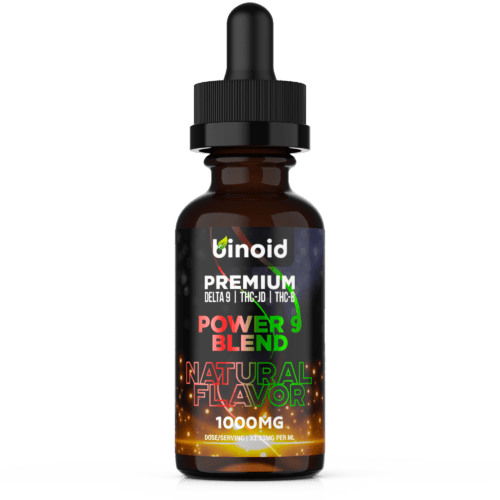
Power 9 Blend Tincture – 1000mg
$34.99$59.99 -
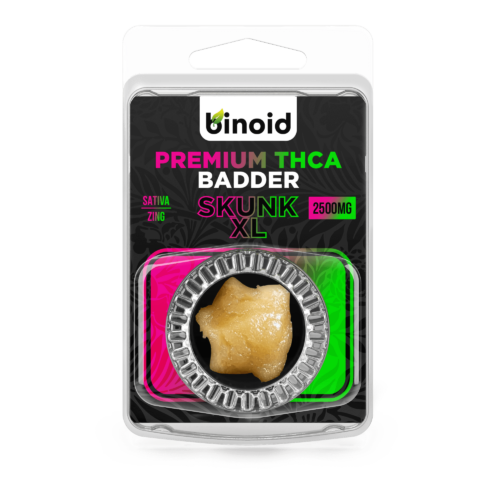
THCA Badder – 2500mg
$37.99$59.99

Why This Conversation Isn’t Going Away
The terpene conversation has staying power because it reflects something true about how the plant actually works, not just a passing marketing trend that will fade once the next buzzword arrives. As testing infrastructure improves and more consumers develop the vocabulary to discuss myrcene, limonene, and caryophyllene with the same fluency they once reserved for THC percentage alone, brands that have genuinely invested in terpene preservation and transparent reporting are positioned to keep separating themselves from brands still treating hemp as an undifferentiated commodity. The hemp market’s maturation has always tracked closely with how sophisticated its consumers become, and terpene literacy is one of the clearest markers of that maturation currently underway.
For anyone building an intentional relationship with hemp-derived products rather than simply grabbing whatever’s cheapest or most aggressively marketed, learning to evaluate terpene profiles is one of the highest-leverage skills available. It turns a COA from a compliance document into a genuine decision-making tool, and it rewards exactly the kind of curiosity that brands like Binoid CBD have bet their entire transparency model on. The full terpene documentation across Binoid’s product catalog available batch by batch at BinoidCBD.com exists precisely for the consumer who has stopped asking only “how strong is it” and started asking the more interesting question: “what, exactly, does this actually smell, taste, and feel like and why?”
TO BUY THC PRODUCTS CLICK HERE
Recommended products
-
2 Gram THCA Disposable Hash Rosin – Blazed
$37.99$59.99 -
THCA Hash Rosin Dabs – 1000mg
$33.99$59.99 -
Delta 9 +THCV Gummies- Uplift/Unwind
$29.99$49.99 -
Knockout Blend Tincture – 1000mg
$34.99$59.99